Our Mission and Purpose
A citation records the achievement. A story
preserves its meaning.
The Distinguished Flying Cross is presented for heroism or extraordinary achievement in aerial flight. The DFC Society connects recipients and families, safeguards firsthand accounts and shares the lessons of their service
"Every Distinguished Flying Cross
has a story. We make sure it is
never forgotten."
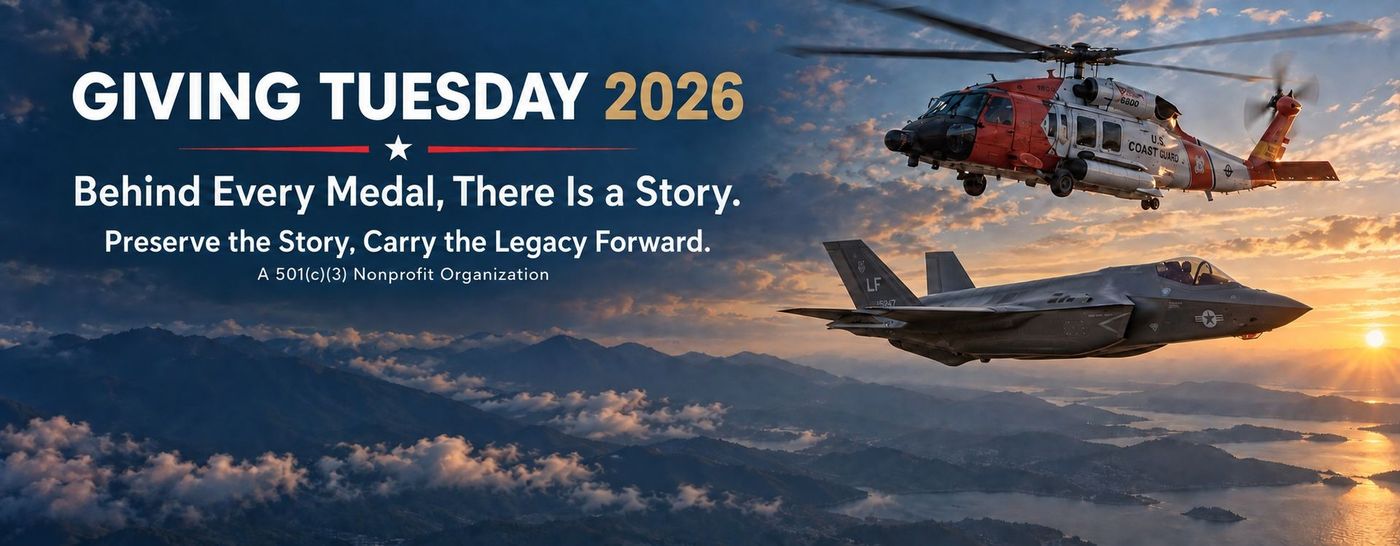
This Giving Tuesday, help preserve the stories behind the Distinguished Flying Cross.
Your gift to the Distinguished Flying Cross Society supports our work to honor recipients, connect generations and preserve their legacy.
The Distinguished Flying Cross recognizes heroism or extraordinary achievement in aerial flight. Behind each award is a story of courage, skill and judgment—often demonstrated under intense pressure, when lives were at stake and the margin for error was thin or nonexistent.
These stories are part of our nation’s history. They connect recipients, aircrews, families and communities—and offer lessons that can inspire generations to come.
Through our Honor Roll, efforts to record recipients’ stories, a developing museum pilot project and outreach to new recipients, the DFCS is working to carry this legacy forward.
Behind every medal is a story that deserves to be remembered. If we don’t preserve it, who will?

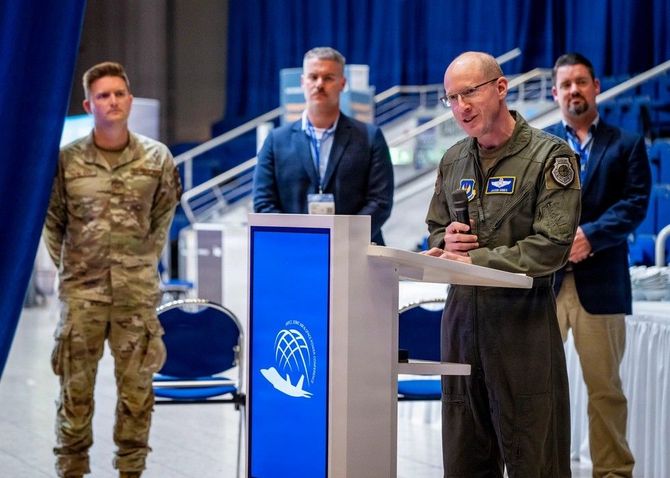
F-22 Pilot Receives DFC
U.S. Air Forces Africa commander, speaks during a Distinguished Flying Cross award presentation in Essen, Germany, Sept. 22, 2026. The Distinguished Flying Cross recognizes heroism or extraordinary achievement while participating in an aerial flight and honors those whose actions go beyond the demands of duty during combat or active operations against an armed adversary.
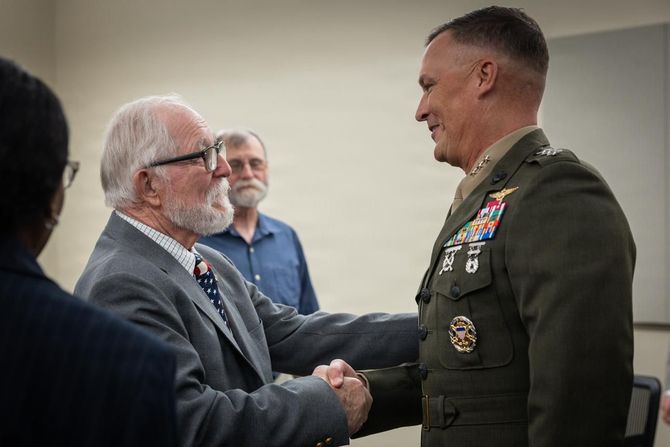
DFC awarded posthumously
Nearly six decades after his aircraft went down over the South China Sea, Maj. Everett McPherson’s courage in the skies has finally been recognized. In a ceremony filled with solemn reflection and pride, the Marine Corps posthumously awarded McPherson the Distinguished Flying Cross, one of the nation’s highest decorations for heroism in aerial flight.
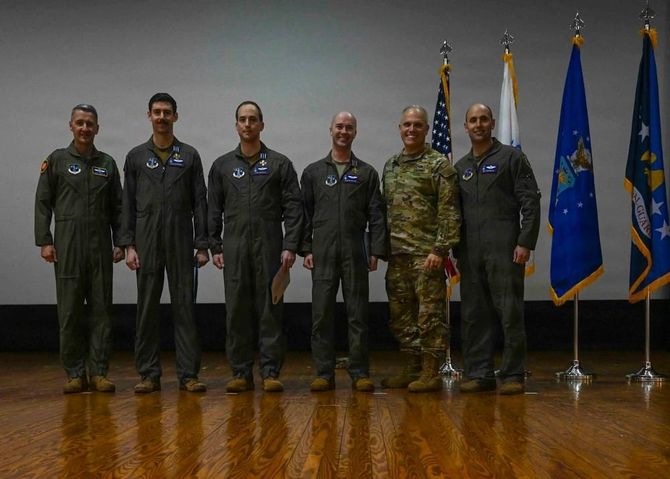
On February 1, 2026, three District of Columbia Air National Guard pilots received Distinguished Flying Crosses for their actions during an Iranian drone attack on April 13, 2024.
Recipients:
- Maj. Benjamin “Boom” Saunders
- Maj. Eric “Fume” Anderson
- Capt. Ryan “Hammer” Boodee
During the engagement, the pilots helped destroy 15 Iranian drones while protecting coalition forces.
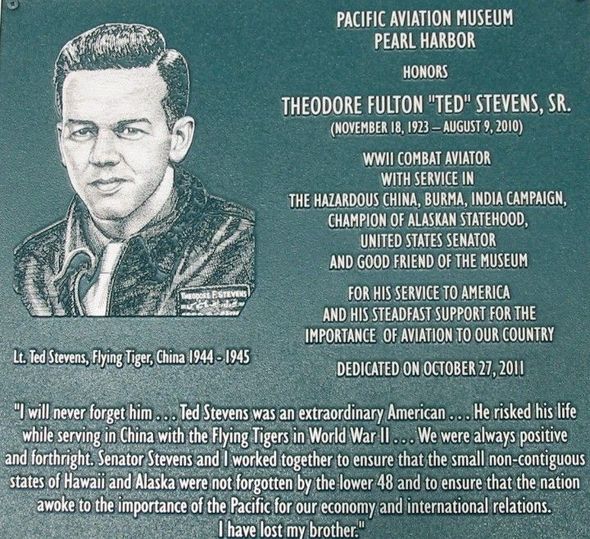
Before he was known to Alaskans as “Uncle Ted,” Ted Stevens was a decorated war hero, who received a DFC for making dangerous missions behind enemy lines to support the Flying Tigers, a group of American pilots who fought the Japanese in the China-Burma-India theater of World War II.
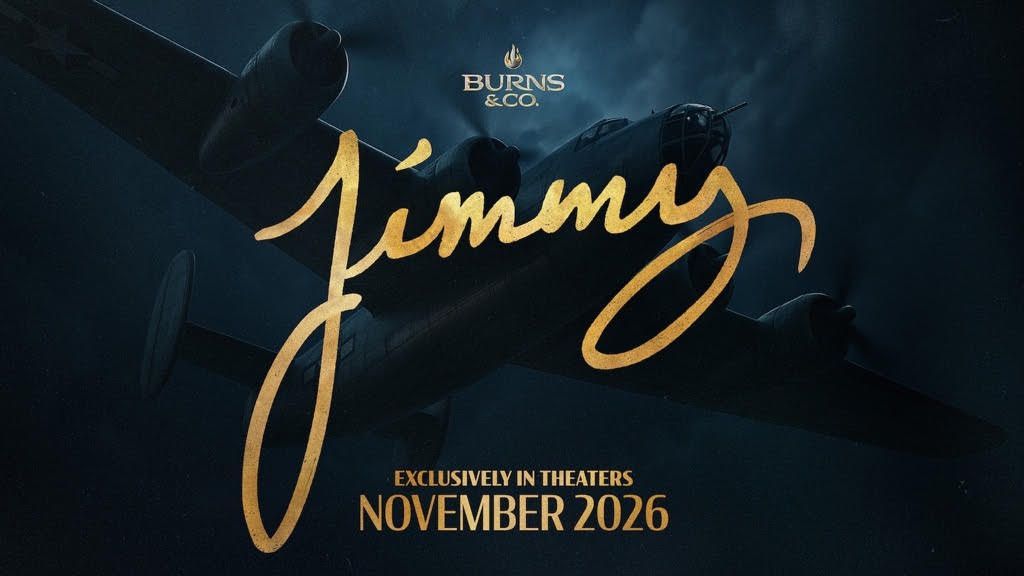
Jimmy to premier in Fort Worth at the Lone Star Film Festival
November 4, 2026
An Overdue Distinction for a Korean War Flying Ace
A new law allows Royce Williams, 100, to receive the medal of honor. Trump should follow up quickly.
On December 22, the Wall Street Journal published an article about retired Navy Captain Royce Willams who will soon receive the Medal of Honor:
"Buried in a recent 3,000-page defense policy bill is good news that won’t receive enough attention. The legislation would allow a living legend of naval aviation to receive the nation’s highest military honor. A Defense Department video called 100-year-old Royce Williams the “forgotten fighter ace of the Korean war.” His valor is worth remembering on its merits, and the history is instructive about the threats now facing the U.S. President Trump should move quickly to award Capt. Williams the medal of honor."
Task & Purpose published the following article that provides background about the actions leading to the final decision to award Captain Williams the Medal of Honor:
Published Dec 8, 2025 3:52 PM EST
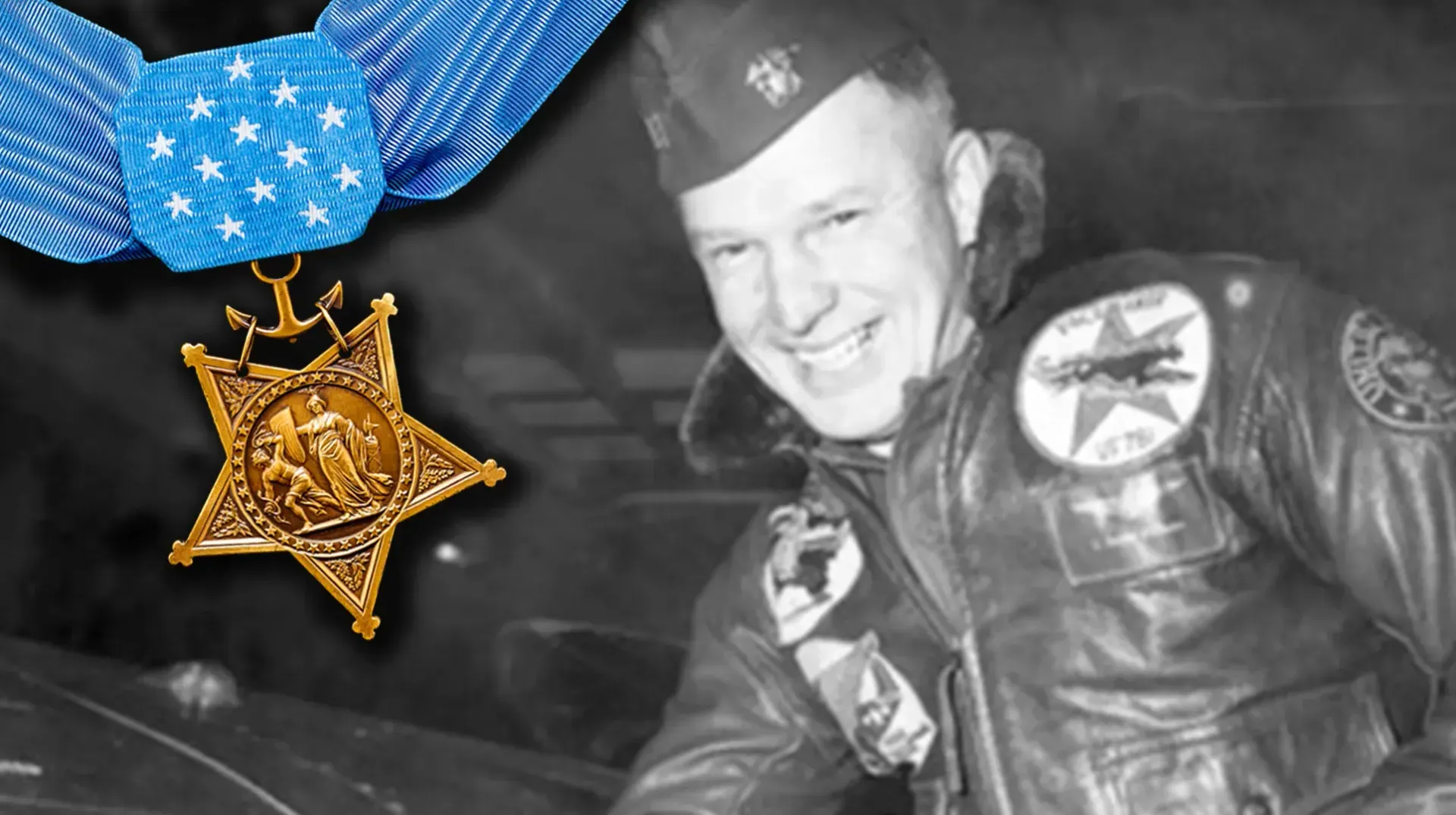
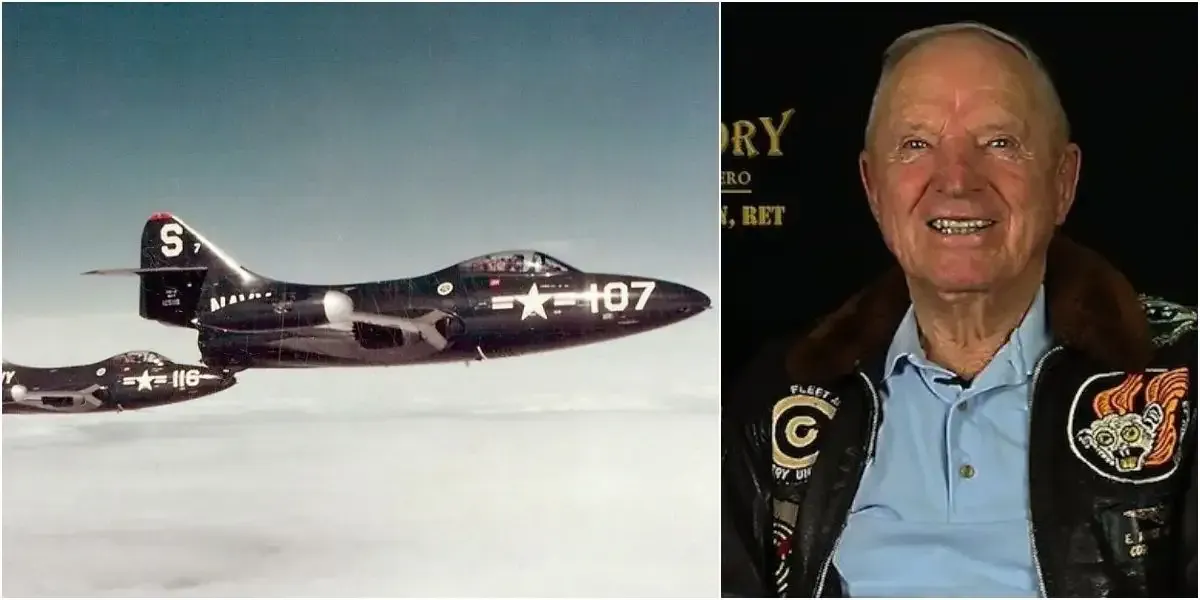
Legendary Navy aviator Royce Williams, who shot down four Soviet MiG-15 fighters in 1952, is the inspiration for legislation that would make it easier for troops and veterans to be awarded the Medal of Honor. Photos via the U.S. Naval Institute and the Congressional Medal of Honor Society.
More than 70 years after he took part in the longest dogfight in Navy history, scoring four aerial victories, Royce Williams might finally get the Medal of Honor.
Over the weekend, Congress released the text for the compromise National Defense Authorization Act, the annual defense policy bill outlining spending plans and goals. This year, it is a record $901 billion. Nestled into the large defense appropriations bill is Sec. 591, which would upgrade Williams’ Navy Cross to the Medal of Honor for “acts of valor during the Korean War.”
Those acts involve taking on seven Soviet MiG-15s in a 35-minute dogfight almost singlehandedly, in a battle that was kept under wraps for years despite Williams’ achievements.
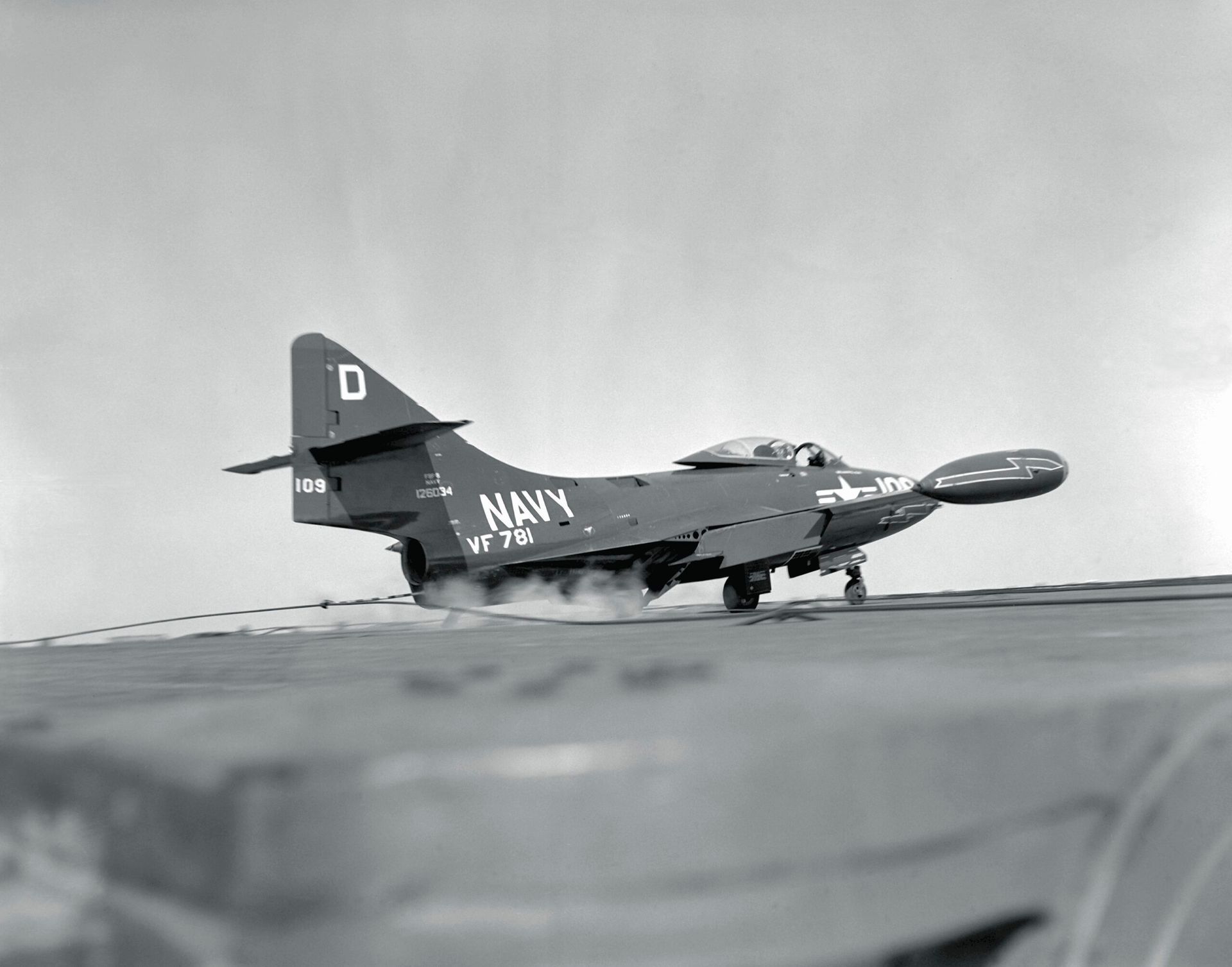
On Nov. 18, 1952, Williams — then a Navy lieutenant flying in his Grumman F9F-5 Panther for his second mission that day — was with three other aviators over the Sea of Japan when seven Soviet Air Force fighter planes emerged. Two of the American planes had to return to their ships due to mechanical issues, leaving just Williams and his wingman in the skies as the Soviets closed in. As they flew by, Williams let out a burst of his F9F’s guns, scoring a hit. One MiG went down, with Williams’ wingman breaking off to chase it. Royce Williams was now alone, against six Soviet pilots in jets that were more advanced than his.
Over the course of 35 minutes, Williams banked and weaved his Panther, trying to avoid getting in the MiGs’ sights. He quickly downed a second Soviet jet, and kept using his maneuverability to line up passing shots with his limited ammo. He took out a third. Then he heavily damaged another that was eventually lost.
“In the moment I was a fighter pilot doing my job,” Williams told Task & Purpose in 2022. “I was only shooting what I had.”
Eventually, he ran out of ammunition and was forced to break off. He flew back to the Navy task force — which fired on him at first, mistaking him for the many more Soviet planes that had outnumbered him — and managed to land. After-action inspections found 263 bullet holes in his Panther. Somehow, Williams and the plane survived.
For his actions in the wild dogfight that day, Williams was awarded a Silver Star. But his actions were covered up — and his official victories listed as downing one enemy plane and damaging another — over fears it could heighten U.S.-Soviet tensions. So for the rest of his career, which included actions in Vietnam and commanding a ship, his record stayed that way, the truth kept hidden. It was only in the 21st century that retired Capt. Williams’ story came out.
For more than a decade, there has been a push to get Williams the Medal of Honor, with backers including retired Rear Adm. Doniphan Shelton and members of Congress. Three years ago, in December 2022, then-Secretary of the Navy Carlos Del Toro upgraded his Silver Star to a Navy Cross, saying that Williams “clearly distinguished himself during a high-risk mission and deserve[s] proper recognition.” Williams received the award in January 2023.
The text in this year’s defense spending bill would authorize awarding Williams, who is now 100, the Medal of Honor and waive any time limitations on presenting him with the award.
Voting on the bill is expected this month.